

 30/04/2026
  1475
1475

Інтернет-маркетинг
простою мовою
Content of the article

What is the Mandela effect: examples of mass illusions and how to fight them
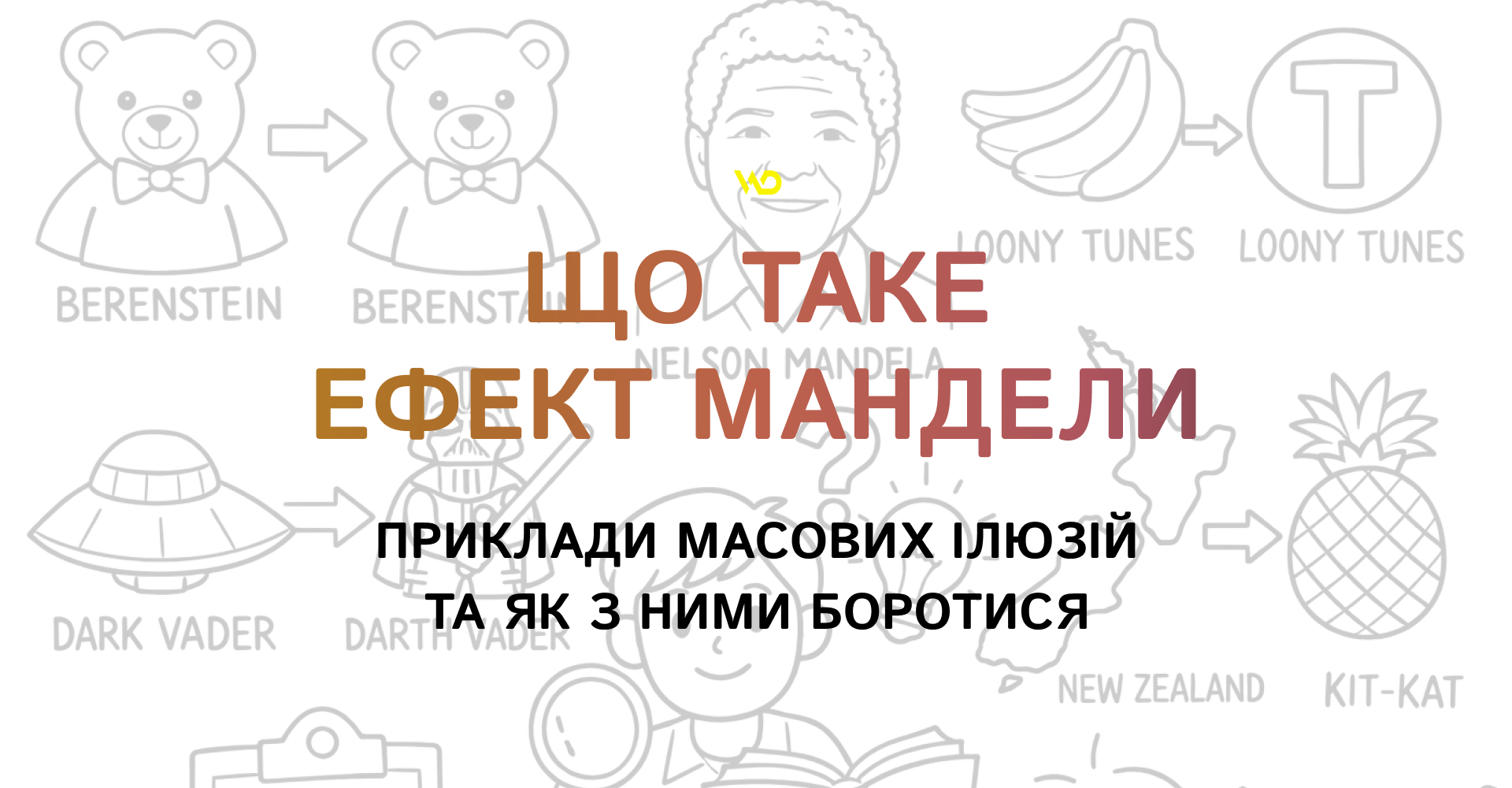
The Mandela effect, a phenomenon that until recently was perceived as a curiosity, is now becoming an important factor influencing audience behavior, information perception, and decision-making. In an environment where businesses are actively working with content, branding, and trust, mass false memories can form a distorted view of products, events, or even the reputation of companies. This creates both risks due to the spread of misinformation and new opportunities for those who know how to work with the audience’s attention and thinking.
In this article, we will look at what the Mandela effect is from the point of view of cognitive psychology, why mass memory illusions occur, what examples are most common in the digital environment, and how businesses can take this phenomenon into account in communications and develop critical thinking as a tool to protect themselves from information distortions.
What is the Mandela Effect?
The Mandela effect is one example of how unreliable human memory can be. This phenomenon means that a large group of people massively mistakenly recall certain facts or events. The name of the phenomenon comes from a case described by researcher Fiona Broome: she and other people confidently «remembered» that activist and South African president Nelson Mandela died in prison in the 1980s, when in fact he was released in 1990 and died only in 2013. It was this group distortion of memory that gave rise to the concept of the «Mandela effect».
The Mandela effect proves that our perception of reality can differ from objective facts. For example, researchers note that many people believe that the Monopoly mascot wears a monocle or that the Fruit of the Loom logo contains a horn of plenty, even though there are no such elements in reality.

These are examples of «mass illusions» where many people have the same false memories. But even if the vast majority of such cases involve every day, «innocent» things, they teach us to be more cautious and not to rely solely on our own «memory impressions».
Why collective false memories appear
Scientists explain the Mandela effect by the peculiarities of memory and cognitive distortions. A person’s memory is not a static copy of reality — it «rewrites» details every time they recall them. When there are «gaps» in memory, the brain can unconsciously add logically sounding but false fragments — this process is called confabulation. In addition, expectations and prior knowledge change the perception of an event. For example, in the classic case, people remember the Monopoly Uncle wearing monocles because it is a logical attribute of a wealthy «old man» in their imagination. However, in most illusions, schematic filling alone is not enough, and they have different reasons.
An important factor is social influence. When false memories are repeated in the media or on social media, they seem to be «preserved» and other people begin to «remember» them. For example, the prevalence of the phrase «Luke, I am your father» on the Internet leads to a significant number of people convincing themselves that this is the case, even though it never happened. The cross-mixing of sources is also important: many people claim to have seen the movie «Shazaam» about Gene Sinbad, but in fact they remember another movie (1996), «Kazaam» with Shaquille O’Neal. Thus, sometimes memories of real events and details are «noisified» by incorrect information from other sources.
In today’s digital environment, social platform algorithms play a significant role. Content that receives more reactions and views is more likely to be repeated in users’ feeds, creating an information amplification effect. As a result, even inaccurate or simplified versions of events can become dominant.
Additionally, the effect of visual repetition works: the more often a person sees the same (even false) version of information, the more it is perceived as familiar and correct. Such mechanisms are especially pronounced in short video formats and meme culture, where the context is often shortened or changed.
Cognitive biases only reinforce illusions. Confirmation bias makes people cling to the memories that meet their expectations and ignore contrary evidence. The false consensus effect makes us overestimate the number of like-minded people – we think that everyone thinks the same way, even though they don’t.
Another important aspect is that confidence in one’s own memory does not guarantee its accuracy. A person can be absolutely convinced that a certain fact is correct, even if it is distorted. This is because the brain evaluates not the accuracy of information, but its «familiarity» and internal consistency with previous experience.
That is why mass illusions often look convincing: they do not contradict logic at the level of a single memory, but only differ from real sources.
The difference between the Mandela effect and ordinary memory errors
It is important to distinguish between the Mandela effect and ordinary individual memory errors. Not every distortion of memories is a collective illusion. In cognitive psychology, the Mandela effect is defined precisely as a massive, coordinated false recollection of the same facts by a large number of people. If one person makes a mistake, it is a feature of individual memory. If the same mistake is repeated by a large group of people and is fixed as an «obvious fact», then we are talking about the Mandela effect.
Examples of mass illusions
The phenomenon of collective false memories is manifested not only in isolated cases, but also in persistent «agreed-upon» mistakes shared by large groups of people in different countries and cultural environments. It is particularly interesting that such distortions often relate to well-known brands, popular culture, and childhood memories, areas where people are most confident in their own memories.
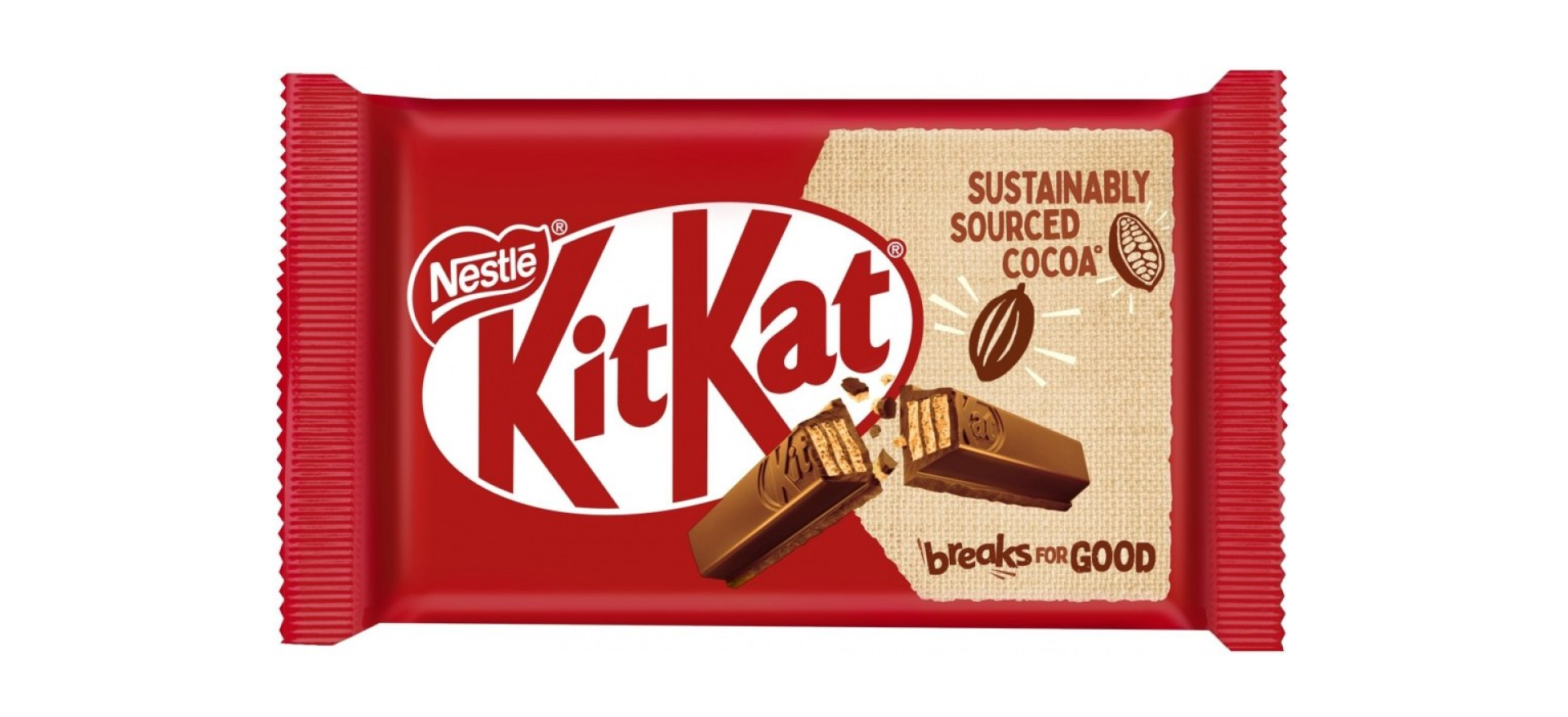
A good example is the perception of brand logos. Many people «remember» that the KitKat logo has a hyphen between the words «Kit-Kat», even though it never officially existed. Such mistakes demonstrate how the brain automatically «corrects» visual images to more symmetrical or logically expected shapes.
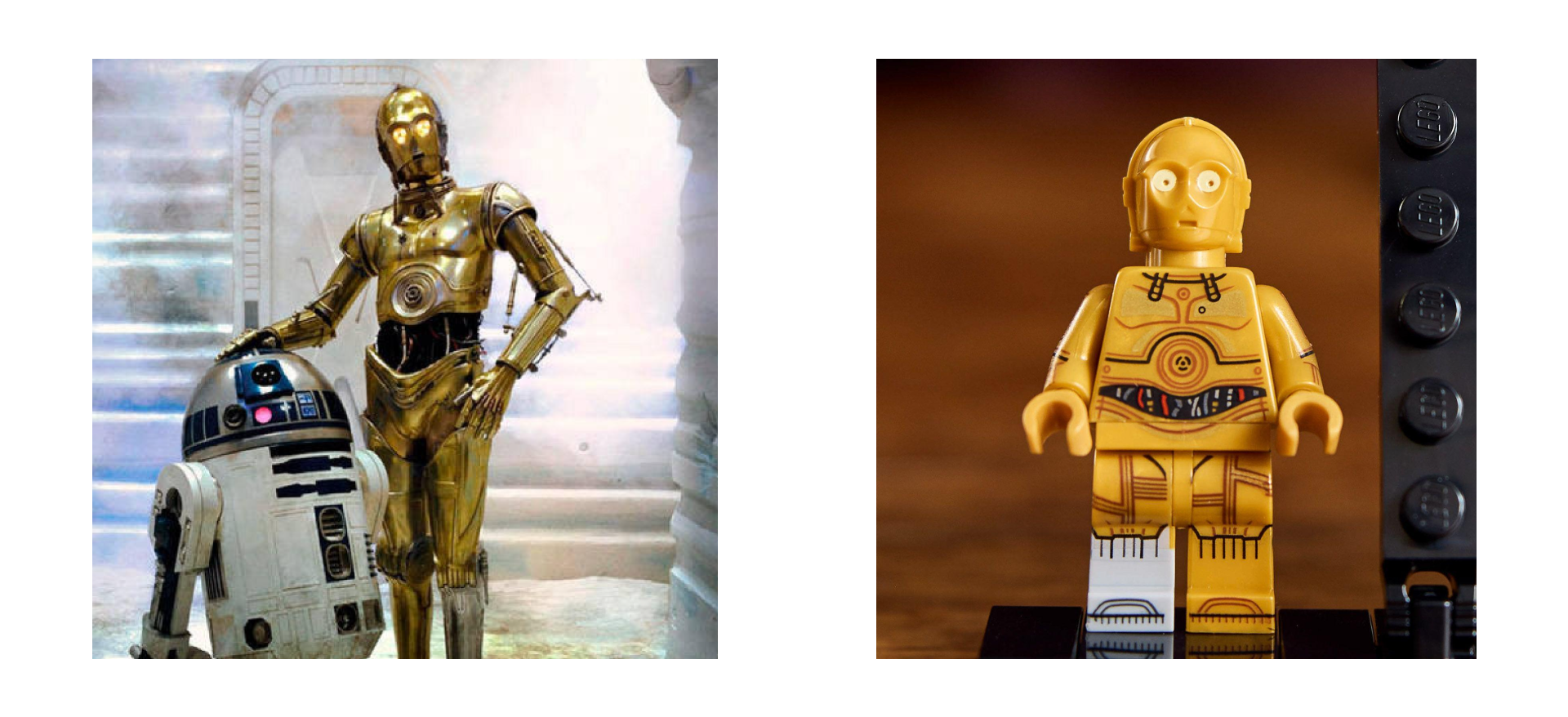
A similar effect is observed in the perception of pop culture characters. For example, the character C-3PO from the Star Wars franchise has a significant number of people convinced that he is completely golden. In reality, one of his legs is silver in color, but this detail often «falls out» of the collective memory due to the overall holistic perception of the image.
False memories of famous songs are also common in music culture. For example, many people believe that in the song «We Are the Champions» by Queen, the final chorus ends with a full, «solemn» phrase. In fact, the song ends without the last repetition, but memory «adds» the expected climax.
Another famous example concerns fairy tales. In the classic story of Snow White, many people «remember» the phrase «Mirror, mirror on the wall», although the original version uses the phrase «Magic mirror on the wall». This demonstrates how cultural quotations gradually change through retellings, adaptations, and reuse in the media.
A separate group of mass illusions is the distortion of visual images of characters. For example, many people «remember» that the character Pikachu from the Pokémon franchise has a black tail. In fact, the tail is completely yellow, without any black element. This mistake occurs because the brain automatically «adds» details based on other parts of the image — in particular, the ears, which do have black tips. The result is a strong but false visual memory that is sustained by repeated discussion in the media and among audiences.

Another set of mass illusions is related to multimedia screensavers and childhood images. For example, many people «remember» the screensaver of Disney cartoons, in which the fairy Tinkerbell flies across the screen, writes the name of the studio, and then puts a dot with a magic wand. In fact, such a fragment never existed in official screensavers; it was formed as a mixture of different visual elements and repeated interpretations in the media. In this case, memory «glues» familiar details into one coherent but false image.

The consolidation of false memories in the collective memory occurs gradually. First, there is an initial distortion — an inaccurate quote, a changed image, or a simplified version of an event. Then it is repeated many times in the media, discussions and user content. At this stage, the lack of verification of the primary source allows the error to exist in parallel with reality.
Over time, social confirmation («this is how many people remember it») begins to replace factual verification. As a result, a stable perception is formed that is perceived as obvious, even if it does not correspond to real data.
All of these examples demonstrate one pattern: mass illusions arise where memory collides with repetitive images, cultural patterns, and social reinforcement.
How to resist the illusions of memory
The key takeaway from the Mandela phenomenon is that memory is not a reliable source of truth. That is why the development of critical thinking becomes not an abstract skill but a practical tool for working with information. Both in everyday life and in business.
Effective counteraction to memory illusions is based on several principles.
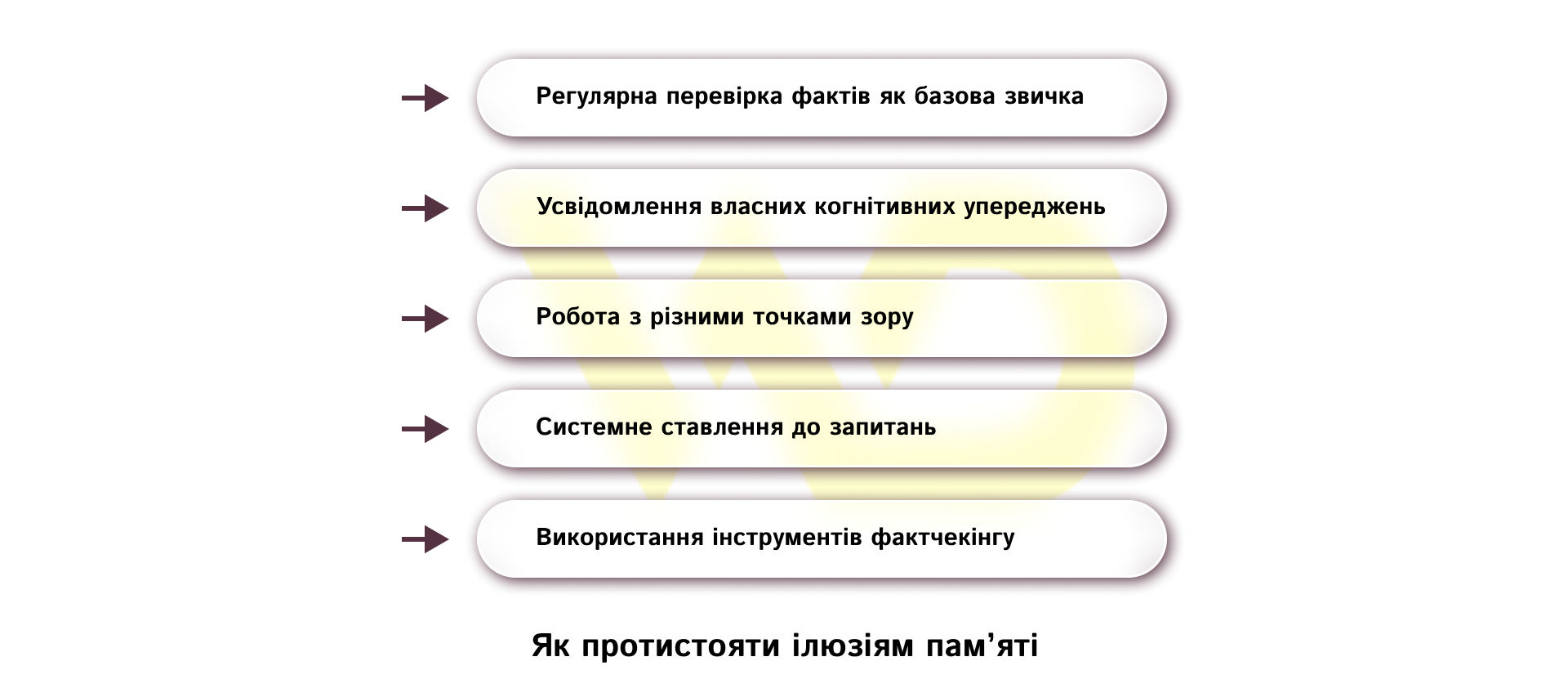
- Regular fact-checking as a basic habit. If in doubt about a memory or information, you should refer to primary sources. These can be original videos, texts, official websites, or product packaging. This approach allows you to quickly separate reality from distorted perceptions and gradually forms the habit of not relying solely on memory when there is a possibility of verification.
- Awareness of your own cognitive biases. People tend to perceive information through the prism of previous experiences, emotions, and beliefs. Understanding what triggers can influence perception helps you to evaluate your own «memories» more critically and not automatically accept them as fact.
- Work with different points of view. Comparing multiple sources, such as interviews, analytics, and research, reduces the risk of being locked into one potentially distorted version of information. This is especially important in an information environment where the same event can be interpreted in different ways.
- A systematic approach to questions. The ability to ask clarifying questions such as «where is this information from?», «is there any confirmation?», «how authoritative is the source?» helps to quickly identify inaccuracies and prevent false information from being spread further.
- Use fact-checking tools. Modern digital services make it much easier to verify information: reverse image search, scientific databases, specialized fact-checking platforms. Their regular use increases the accuracy of perception and reduces the impact of information noise.
For business, the Mandela effect has a special practical significance, as it is related to how the audience remembers a brand, product, or communication.
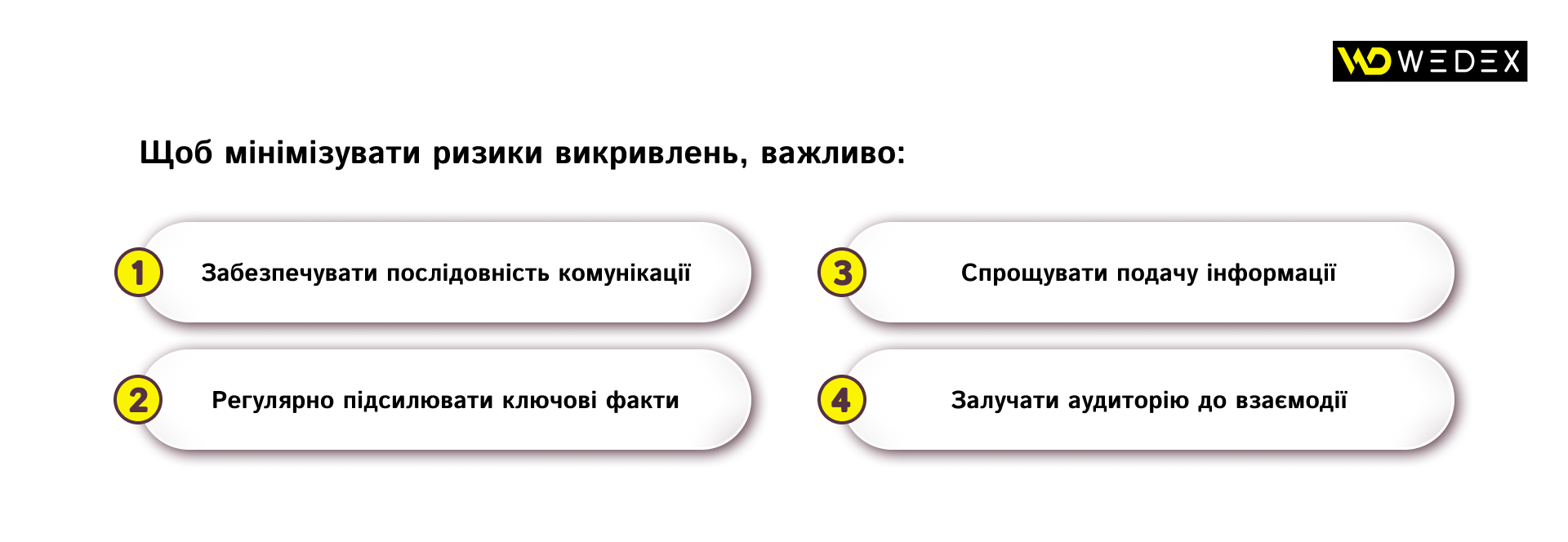
- Ensure consistency of communication. The same messages, visuals, and wording across all channels help to reinforce the correct perception and avoid confusion.
- Reinforce key facts regularly. Repeated contact with the audience through content, advertising, and/or email communication gradually «overwrites» misconceptions and builds a stable understanding of the product or brand.
- Simplify the presentation of information. The more complex or ambiguous the message, the higher the risk of misremembering it. Clear, structured, and unambiguous messages are better retained in the memory.
- Engage the audience in interaction. Interactive formats such as polls, tests, or infographics allow users to verify information on their own. This increases trust and helps correct misconceptions through their own experience.
All of these approaches have a common foundation. They work with the natural limitations of memory, reducing the impact of distortions and social reinforcement of errors. From the point of view of cognitive psychology, memory is not an accurate record of events, but a process of constant reconstruction.
Frederic Bartlett‘s classic studies showed that people reconstruct memories based on mental schemas rather than literally reproduce information. Further experiments by Elizabeth Loftus confirmed that memory is plastic and can change under the influence of new information, up to the formation of confident but false memories of events that did not actually happen.
That is why all the tools of critical thinking and information verification described above are not just recommendations, but practical mechanisms for interacting with the nature of human memory.

commercial offer
Other articles by the author

02/07/2026
In B2B marketing, it’s important to generate not just leads, but contacts from people who are genuinely interested in the topic and willing to engage further with the company.

24/04/2026
That is why, in marketing, it is important not just to describe a product’s features, but to translate them into the language of needs.

17/02/2026
Sitelinks are a set of internal links that Google sometimes displays below the main result in the search results.
Latest articles by #Marketing

04/09/2026
When two different users search for the exact same word in a search engine, they may get completely different lists of web pages, and the websites themselves are constantly changing their positions in the search results.

02/09/2026
Guest blogging remains one of the most effective tools for promoting a business, yet there are still many misconceptions surrounding it.
27/07/2026
Effective management of a backlink profile requires a systematic approach, the foundation of which is designing the correct structure of text links.